August is Women’s Month in South Africa, a time to celebrate the resilience, strength and incredible contributions of women in our families, workplaces and communities.
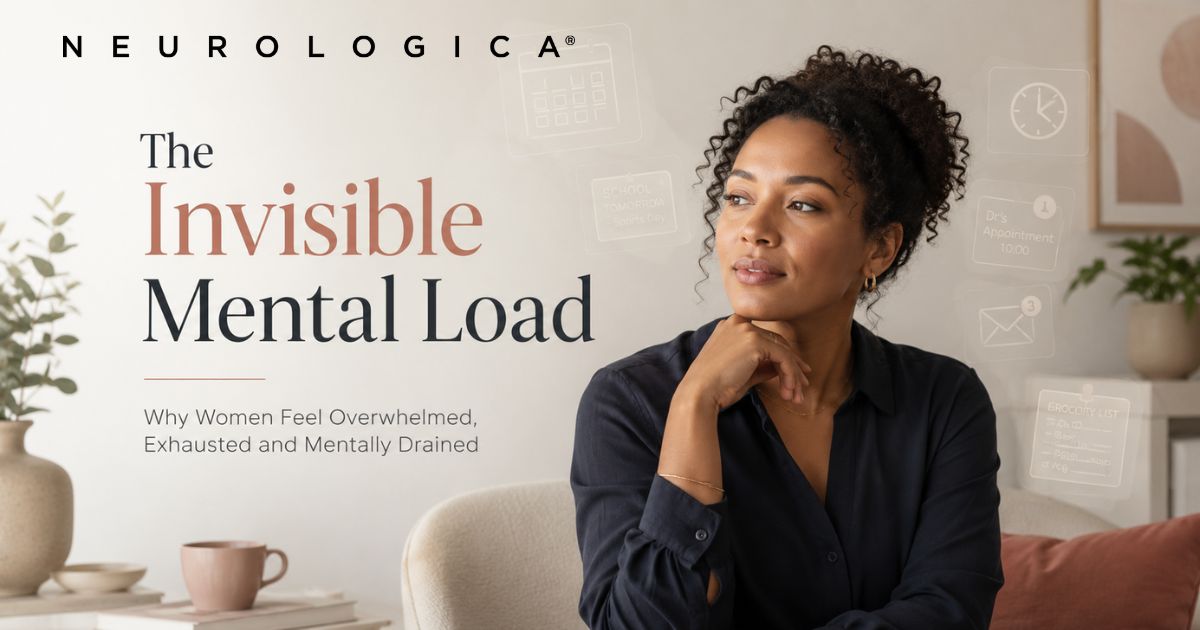
But behind many successful, capable women is a reality that often goes unseen: the invisible mental load.
It is the endless thinking, planning, remembering and anticipating that keeps life running for everyone else. From managing work deadlines and school schedules to planning meals, remembering birthdays, organising appointments and caring for children or ageing parents, the list never truly ends
The mental load isn’t something others can easily see, but its effects are very real. Even when you’re sitting down to rest, your mind may still be racing through tomorrow’s to-do list.
Many women don’t neglect their health because they don’t care. They neglect it because they are mentally exhausted long before the day is over.
If you’ve ever found yourself thinking, “Why can’t I focus like I used to?”, “Why do I feel tired even after sleeping?” or “Why do I always put everyone else’s needs before my own?”, you’re certainly not alone.
What Is the Mental Load?
The mental load refers to the ongoing responsibility of thinking, planning, organising and anticipating what needs to happen next.
It’s not just about completing tasks. It’s remembering that the groceries need replacing, booking doctor’s appointments, responding to school messages, planning dinner while answering work emails and constantly thinking three steps ahead. Even during moments of rest, many women find their minds are still working.
Over time, this constant mental activity can contribute to feelings of stress, overwhelm, difficulty concentrating and mental fatigue.
Why the Mental Fatigue Makes Healthy Habits Feel Harder
Your brain is designed to solve problems, make decisions and respond to challenges. However, when it is constantly processing information without enough opportunity to recover, even simple tasks can begin to feel overwhelming.
You may notice:
- Difficulty concentrating
- Brain fog or forgetfulness
- Feeling emotionally drained
- Struggling to switch off at night
- Low motivation and reduced mental energy
- Feeling overwhelmed by even small decisions
These are not signs that you are “not coping”, they are signals that your brain has been working overtime.
Decision Fatigue: When Every Choice Feels Like Too Much
Every day, women make countless decisions, many of which go unnoticed.
What should everyone eat? Who needs to be collected? Which emails need answering first? What groceries are running low? Which family member has an appointment this week?
By the end of the day, even deciding what to cook for dinner or whether to exercise can feel exhausting.
This is known as decision fatigue. The more decisions your brain makes throughout the day, the less mental energy remains for looking after yourself.
Why Self-Care Often Feels Impossible
When your mind is mentally drained, healthy habits are often the first thing to disappear.
You skip breakfast because you’re rushing.
You choose convenience over nutrition because you’re too tired to cook.
You postpone your walk because there’s still laundry to fold or emails to answer.
You tell yourself you’ll make time for yourself tomorrow.
This isn’t a lack of motivation or discipline. It’s often the result of carrying too much for too long.
That’s why supporting your brain is just as important as supporting your physical health. When your mind feels clearer and more rested, healthy choices become easier to make
Five Simple Ways to Lighten the Mental Load
You don’t need to overhaul your entire life to support your wellbeing. Small, consistent habits can make a meaningful difference.
- Stop Chasing Perfection: Healthy living doesn’t require perfect meals or perfect weeks. Aim for progress instead of perfection.
- Reduce decision fatigue: Every decision uses mental energy. Preparing meals, planning your day or organising small tasks ahead of time can reduce the number of decisions your brain has to make.
- Schedule Time for Yourself: Even five minutes of quiet, deep breathing, stretching or stepping away from screens can give your brain a chance to reset.
- Protect your Sleep: Sleep is when your brain restores, processes information and prepares for the next day. Prioritising quality sleep is one of the most powerful forms of self-care.
- Celebrate Small Wins: Progress isn’t only measured by the number on the scale.
Perhaps today you:- Drank enough water
- Ate more vegetables
- Went for a short walk
- Chose a balanced lunch
- Said “no” to emotional eating
Those wins count.
Supporting Your Brain Through Every Season of Life
Modern life places significant demands on women’s minds. While healthy lifestyle habits remain the foundation of good brain health, nutritional support may also help support cognitive wellbeing, mental energy and recovery during demanding seasons of life.
Neurologica offers targeted formulations designed to support different aspects of brain and nervous system health:
- Neurologica Activate supports mental energy, alertness and cognitive performance during busy days.
- Neurologica Titan helps support resilience during periods of ongoing mental and physical demands.
- Neurologica Slumber supports healthy sleep patterns, allowing your brain and body the opportunity to rest and recover overnight.
Your Health Isn’t Selfish, It is Essential
This Women’s Month, take a moment to recognise everything your mind carries each day.
Being strong doesn’t mean you never feel tired. Being capable doesn’t mean you have to carry everything alone.
So often, women place themselves at the bottom of their own priority list. There’s always one more task to complete, one more person to care for or one more responsibility demanding attention.
But looking after yourself isn’t selfish. It’s one of the most important things you can do for your long-term health and wellbeing.
The invisible mental load may not always be seen, but its effects are real. Taking even a few moments each day to rest, recharge and care for your brain can make a meaningful difference.
Because when you support your own wellbeing, you’re better equipped to continue supporting the people who matter most.
This Women’s Month, remember that your health deserves a place on the list too.
Because your health isn’t selfish, it is essential.